




Nostalgia 2.0 is no longer just about playing again what we loved as children. It is a market strategy. It is a cultural anesthetic. It is an elegant way of saying that the video game industry is afraid.
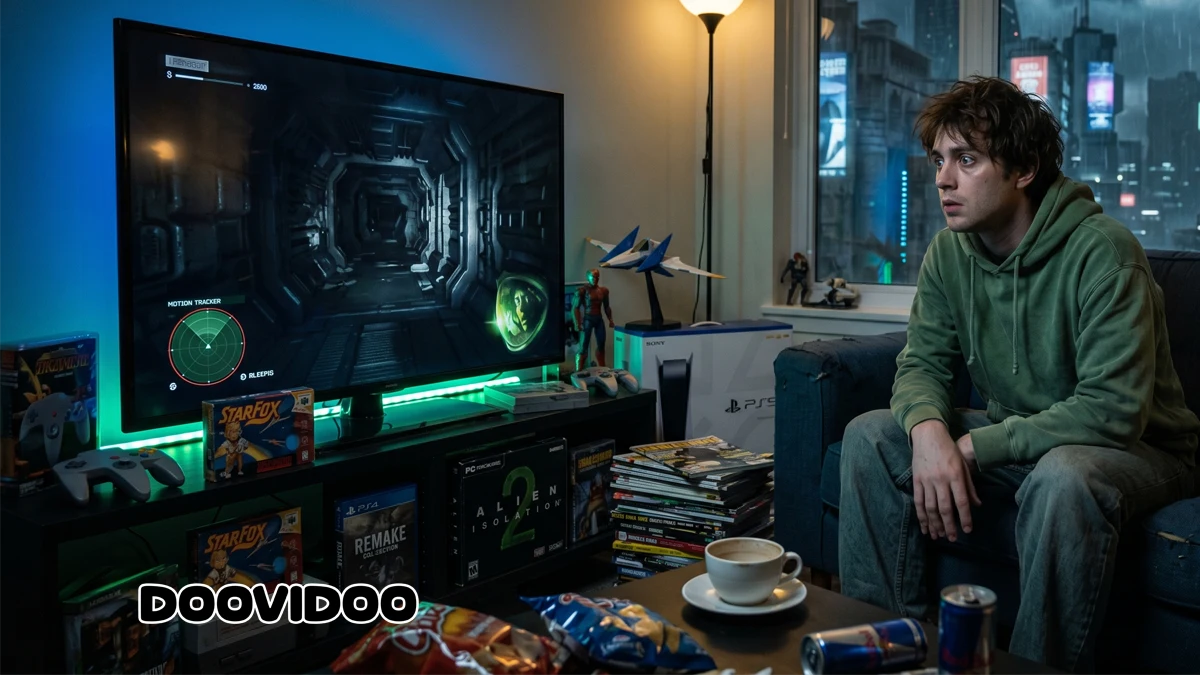
The June 2026 showcases left a strange feeling. There was excitement, yes. There were trailers with epic music, long awaited returns, and names capable of lighting up forums in seconds. Star Fox returned to the conversation with a new version for Switch 2. Alien: Isolation 2 appeared as a late sequel to a modern horror classic. Remakes, reboots, sequels, and continuations of established franchises also circulated.
The average player is not inventing the paranoia. Something changed. The industry is not only reviving old games. It is turning them into the center of its future.
The uncomfortable question is this: are we seeing commercial genius or a symptom of creative exhaustion? The answer sits in the middle. Some returns have real value. Others seem designed to activate childhood memories before saying anything new.
Nostalgia 2.0 is exactly that: not selling a game, but selling the emotional memory a person has of themselves when they used to play.
The Return as Event
Star Fox is a perfect case. Nintendo does not revive just any franchise. It revives a series that, for many players, represents a specific era: cartridges, old televisions, long afternoons, wired controllers, and a simpler idea of the future. The new Star Fox for Switch 2 is presented as a modern version of Star Fox 64, with improved visuals, updated controls, and new modes. For some, it is a celebration. For others, it is another trip around the same planet.
That division matters. Star Fox is not only a spaceship game. It is an organized memory. Fox McCloud, Falco, Peppy, and Slippy do not return only as characters. They return as proof that a piece of the past can still be sold in 2026.
Alien: Isolation 2 works differently. The 2014 original became one of those games that grew after launch. It did not need to dominate the whole market to build a cult following. Its horror was slow, physical, and cruel. The sequel arrives more than a decade later, when the market has already understood that nostalgia also works for reviving games that were not instant giants, but left a strong emotional mark.
There lies the difference between cheap nostalgia and Nostalgia 2.0. The first recycles. The second studies which memories have commercial value, which community is still waiting, and which franchise can return without looking like a corpse.
The Showcase as a Beautiful Cemetery
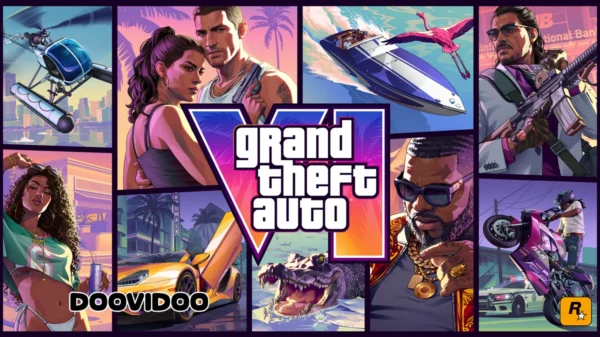
The June 2026 events felt partly like a future fair and partly like a museum with LED lights. Ocarina of Time returns. Resident Evil Veronica returns. Halo returns in remade form. Star Fox returns. Alien returns. Gears continues. Final Fantasy continues. Tomb Raider continues. Rayman starts making noise again. The list does not mean everything is bad. It means the industry looks backward too often.
The problem is not that remakes exist. A good remake can correct old controls, open a work to new players, improve accessibility, and preserve cultural memory. Resident Evil 2 proved that. Final Fantasy VII Remake turned nostalgia into reinterpretation. Metroid Prime Remastered reminded us that updating a work can also be an act of respect.
The problem appears when the remake stops being the exception and becomes the dominant business plan. When the question in a creative meeting is no longer “what can we imagine,” but “what brand can we reactivate.”
At that point, the showcase stops showing the future. It shows the past in higher resolution.
Why Big Companies Fear New IP
A new IP is a gamble. It has no guaranteed fans. It has no previous memes. It has no recognizable name. It has no song that activates memory. It has no old T-shirts. It has no characters the public already wants to protect.
In an industry where AAA games cost more and more, that lack of guarantee scares companies. A major title needs years of development, hundreds or thousands of workers, global marketing, localization, motion capture, actors, servers, QA, and post launch support. One mistake can destroy studios, cancel sagas, and trigger layoffs.
That is why companies prefer a known property. An old name lowers risk for investors. A remake is easy to explain. A reboot fits neatly into a slide deck. A late sequel comes with a built in community. The chief financial officer understands Star Fox faster than a new idea with strange rules, its own tone, and unknown characters.
The fear of new IP does not come from a lack of talent. It comes from a financial system that punishes failure brutally. The industry says it wants creativity, but it rewards safety.
The Player as Accomplice
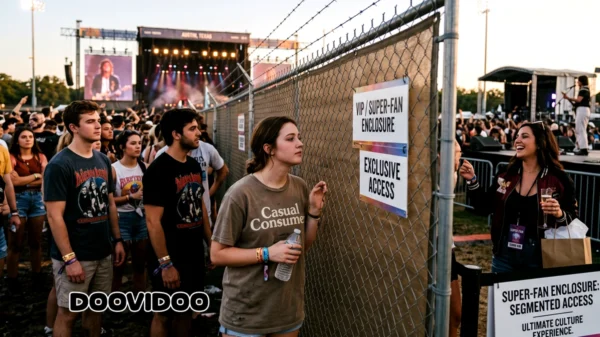
The most uncomfortable part is that the audience also participates. Studios make remakes because people buy them. Nostalgia is not imposed only from above. It is negotiated. Players ask for new things, but often save their money for familiar names.
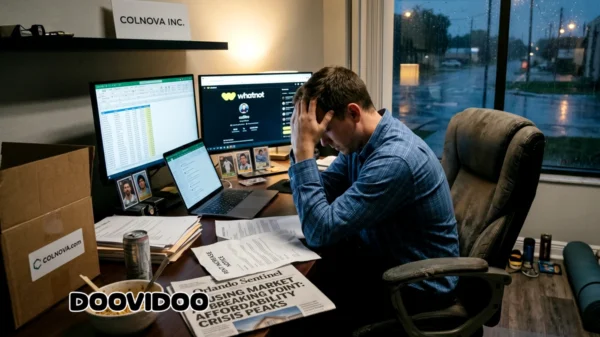
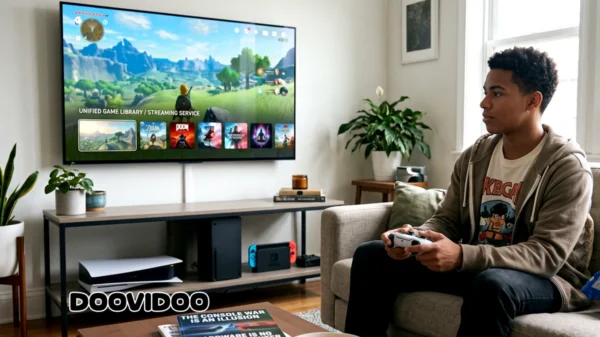
This is not simple hypocrisy. It is cultural anxiety. The present is expensive, fast, and exhausting. There is a housing crisis, inflation, culture wars, precarious work, artificial intelligence threatening jobs, and a digital life that never turns off. In that context, returning to a childhood franchise is not only consumption. It is refuge.
Buying Star Fox does not mean buying only a rail shooter. It means buying a version of yourself that did not pay rent, did not check emails at night, and did not think about job cuts. Buying Alien: Isolation 2 does not mean buying only horror. It means returning to an ordered, designed, playable fear. A fear you can pause.
Nostalgia offers control. The present does not.
Quality or Memory
The question is not whether the audience buys quality or memories. It buys both, but not always in the same order.
A nostalgic game can be excellent. It can also be mediocre and still sell because of the emotional weight of the name. That is the tension. Memory lowers critical defenses. The player wants the return to work. They want to feel respected. They want to believe that the industry remembers what they remember.
That is why a remake carries a different emotional weight from a new IP. If a new IP fails, the public moves on. If a beloved return fails, the failure feels personal. People do not only criticize mechanics. They defend childhood.
Nostalgia 2.0 turns consumption into preventive grief. We buy to confirm that something from our past is still alive. If the game is good, we celebrate. If it is bad, we feel betrayed.
Creative Exhaustion Is Not in Small Studios
The accusation of creative exhaustion usually falls on “the industry” as if everything were the same. It is not. Creativity is alive, but it often appears outside the corporate center.
Indie games continue testing strange structures, intimate themes, new systems, and less safe aesthetics. At the same events where giant remakes appear, small games with fresh ideas are also shown. The problem is visibility. A new game has to scream to be heard. An old franchise only has to appear.
Nostalgia takes up media space. A thirty second teaser for a known saga can bury ten original games. Not because it is better. Because it already exists in collective memory.
This creates distortion. The industry looks less creative than it is because its main showcase favors the recognizable.
The Labor Cost of Living From the Past
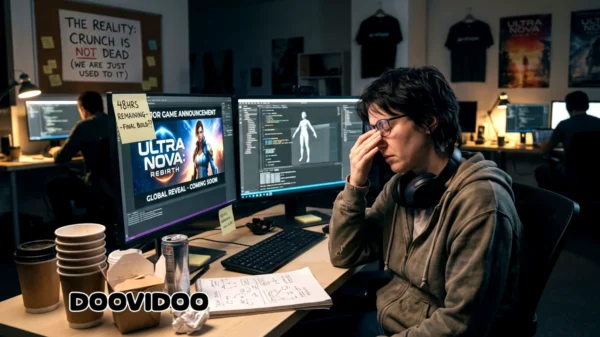
Nostalgia also has a labor cost. Reviving a franchise does not mean easy production. A modern remake can require as much work as a new game. Sometimes more. It must satisfy old fans, attract new players, respect canon, modernize design, avoid controversy, meet technical standards, and justify its price.
Teams carry double pressure. They must innovate without changing too much. They must respect the memory, even though the player’s memory is often false. No one remembers an old game exactly. They remember how it felt to play it.
That distance is dangerous. The developer is not competing against the original. They are competing against the public’s idealized memory.
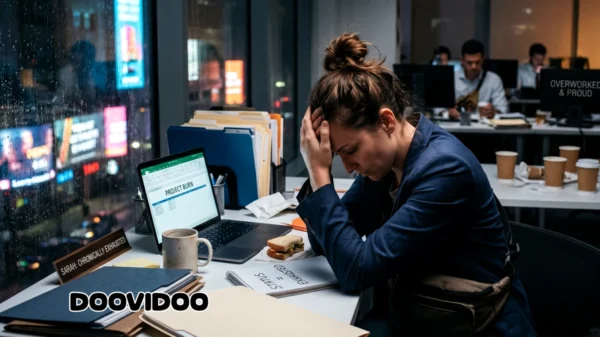
In an industry hit by layoffs, studio closures, and fear of artificial intelligence, betting on nostalgia can seem like protection. But if financial targets are impossible, failure also falls on workers. The brand survives. The team does not always survive.
Retro as a Symptom of the Present
Nostalgia 2.0 is not born only from love for the 1990s or 2000s. It is born from the difficulty of imagining an optimistic future. Before, many games sold the future: new galaxies, unknown worlds, unfamiliar technology, new heroes. Today, much of the marketing sells return.
The industry does not say “look at what is coming.” It says “remember what you were.”
That is not accidental. Big companies know the future produces anxiety. Nostalgia produces calm. A new IP demands trust. A remake demands recognition. The difference defines the era.
When a culture does not know how to imagine tomorrow, it updates yesterday.
The Possible Genius
None of this means Star Fox or Alien: Isolation 2 are doomed to be cynical products. They can be great games. A late sequel can correct mistakes. A remake can open a work to another generation. A reboot can rescue an idea that never received its best version.
Nostalgia used well is not the enemy of creativity. It is raw material. The problem appears when it is used as a substitute for risk. When memory replaces vision. When the studio settles for activating the name instead of justifying its return.
The genius lies in making the player remember and discover at the same time. To recognize the world, but not predict everything. To feel affection without being trapped in a museum.
If Star Fox returns only to repeat Star Fox 64 with more shine, it will be comfortable. If it returns to ask what a Nintendo space shooter can be in 2026, it will be relevant. If Alien: Isolation 2 repeats corridors and scares, it will be merchandise. If it understands how fear has changed in a decade, it can be necessary.
The Future That Does Not Dare to Be Born
The video game industry is not out of ideas. It is trapped between creativity and financial panic. The June 2026 showcases show that tension. Every remake is a celebration and a warning. Every late sequel is relief and symptom.
Nostalgia 2.0 works because players want to feel again something the present took from them: time, wonder, stability, childhood, community. Companies know it. They package it. They sell it. They update it to 4K.
The question is how long an industry can live from memories without making new ones.
DOOVIDOO.COM
Tomorrow’s classics will not come from endlessly repeating yesterday’s classics. They will come from games that today seem risky, strange, or hard to sell. They will come from new IPs that someone defends when the spreadsheet says no. They will come from studios that understand memory also needs a future.
Nostalgia 2.0 is not the enemy. The enemy is using it as an excuse not to imagine. Because if the industry only sells childhood, it will end up with no adults willing to believe it.
Sources used: Nintendo presented Star Fox for Switch 2 as a new version of Star Fox 64, launching June 25, 2026, and outlets such as TechRadar, Creative Bloq, and The Verge described it as a visually renewed remake, although with debate over its lack of innovation.
Alien: Isolation 2 was shown at Summer Game Fest 2026, with previews highlighting its return more than a decade after the original game and new exterior areas alongside the terror of the Xenomorph.
The June 2026 showcases included a strong presence of remakes, remasters, reboots, and sequels, with reports about Resident Evil Veronica, Ocarina of Time Remake, and specific lists of remakes seen during Summer Game Fest.
Newzoo reported that the global video game market surpassed 200 billion dollars in 2025, while GDC reported sustained concern over layoffs, generative AI, and lack of entry level jobs in the industry.