













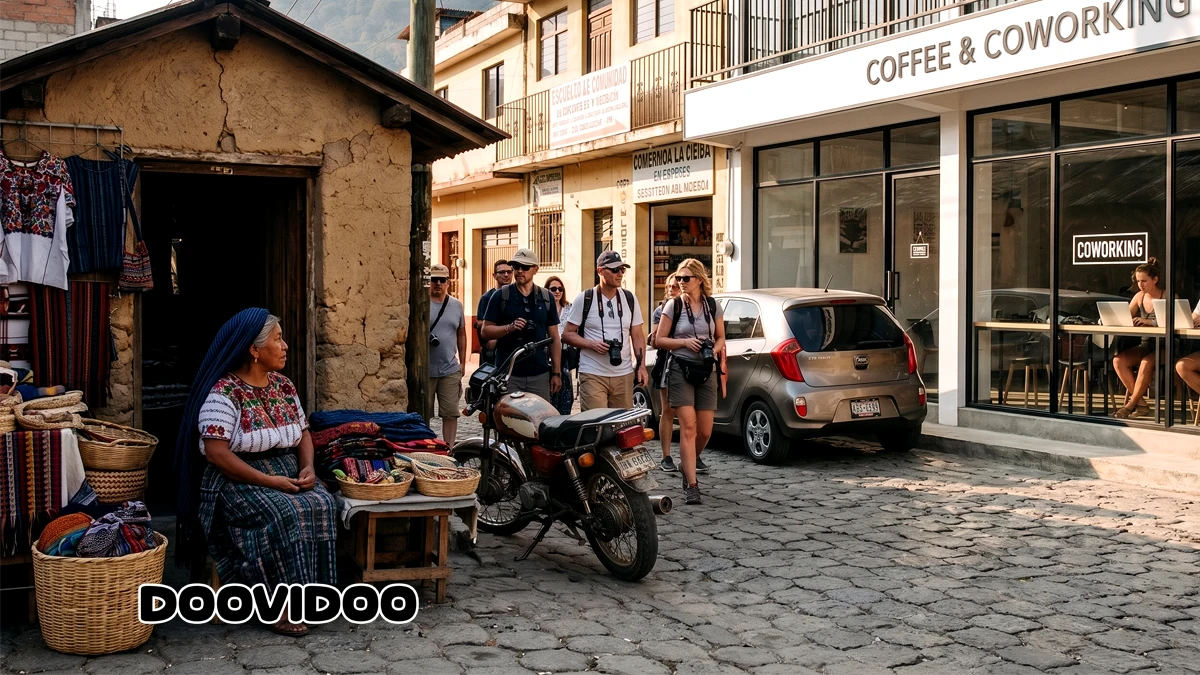
The gentrification of Indigenous and rural communities no longer belongs only to large cities. It is also advancing in Indigenous towns, farming areas, coastal villages, mountain regions, small historic centers, and territories with strong cultural identity. The process arrives through tourism, real estate investment, short term rental platforms, and the migration of remote workers with higher purchasing power.
The shift often starts with an attractive promise. More visitors. More spending. More cafés. More lodging. More jobs. More visibility for the destination. Then tension appears. Rent rises. Local commerce changes. Food becomes more expensive. Festivals change. Local languages lose space. Housing stops serving residents first and starts serving visitors.
The gentrification of Indigenous and rural communities does not happen the same way everywhere. In some towns, tourism finances local projects and strengthens family businesses. In others, it turns culture into a product and pushes residents toward the margins. The difference lies in who controls the land, who receives the income, and who decides the future of the territory.
What Gentrification Means in Indigenous and Rural Communities
Gentrification appears when a territory becomes attractive to people with higher incomes than the local population. This new interest raises prices, transforms the housing market, and changes daily life. In cities, the process is seen in neighborhoods that change residents. In Indigenous and rural areas, the damage also touches identity, territory, and forms of community organization.
In an Indigenous community, land is not only an economic asset. It is memory, production, spirituality, kinship, food, language, and local government. When the tourism market puts pressure on that territory, the impact is not measured only in dollars or pesos. It is also measured in the loss of cultural control.
In traditional rural areas, something similar occurs. The countryside stops being seen as a place for life and work. It becomes a landscape for outside consumption. A farmhouse becomes a boutique lodging site. A local plaza fills with businesses aimed at visitors. A communal trail becomes part of a tourist route. The territory changes function.
Global Tourism and Pressure on Small Towns
International tourism reached historic levels. UN Tourism estimated 1.52 billion international arrivals in 2025. That figure confirms that travel grew again after the pandemic. The problem is not tourism itself. The problem appears when destinations with limited infrastructure receive more pressure than they can handle.
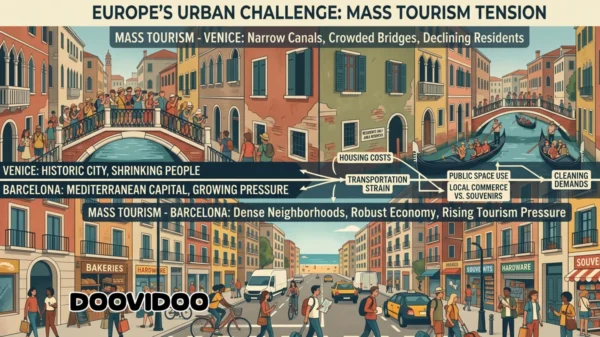
Large cities have more hotels, transportation, water systems, health services, police, and urban management. Many Indigenous and rural towns do not have that capacity. A high season changes rent prices, mobility, water supply, and waste management. It also raises land values.
Visitors arrive looking for authenticity. They want local food, traditional architecture, landscapes, rituals, textiles, music, and ways of life different from urban life. That search creates income. But it also creates demand that changes supply. Businesses begin adapting hours, menus, prices, and aesthetics for visitors.
When that adaptation dominates, the community stops organizing itself around its own needs. It begins organizing itself around the tourism calendar.
Digital Nomads and Unequal Purchasing Power
Digital nomads intensify the pressure because they do not travel like weekend tourists. They stay for weeks or months. They work online. They earn wages from other markets. They look for monthly rentals, stable internet, cafés, safety, and quality of life.
MBO Partners reported 18.5 million American digital nomads in 2025. The figure grew 153 percent since 2019. That increase reflects a major labor shift. Remote work allows people to live far from the office. For many professionals, a rural or Indigenous town becomes attractive if it offers a lower cost than a major city and a strong cultural experience.
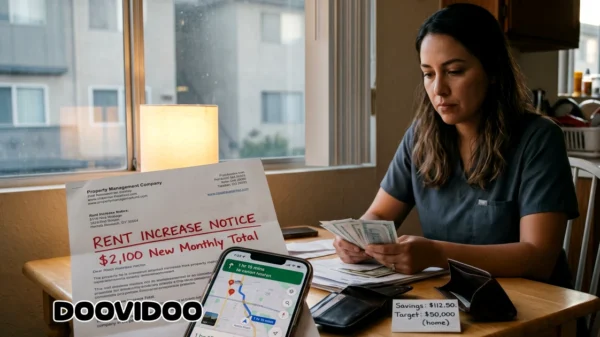
The problem lies in income differences. A rent that feels cheap to a foreign remote worker feels expensive to a local family. An apartment that once housed residents becomes a short term rental. An owner earns more money with short stays than with an annual lease. The market responds to the higher price.
Airbnb reported in 2024 that stays of 28 nights or more represented 17 to 18 percent of its business, compared with 13 to 14 percent before the pandemic. This trend connects tourism and housing in a more direct way. A home no longer competes only among neighbors. It also competes with long stay visitors.
Housing: The First Visible Impact
Housing shows gentrification before other sectors. First, rents rise near the center, the beach, the plaza, or areas with the best views. Then renovations appear. Then short term lodging, hostels, furnished studios, and retirement homes arrive. In the end, many local families can no longer find nearby rent.
In Indigenous communities, this change also breaks family networks. Community life depends on proximity. Extended families care for children, support older adults, organize festivals, share food, and sustain communal duties. When people move away because of price, the community loses social fabric.
Communal property faces another risk. Intermediaries, outside buyers, and developers put pressure on land acquisition. Sometimes they do it through confusing contracts. Sometimes through long leases. Sometimes through agreements with local actors who hold power. The loss of land changes the future of the community.
Local Economy: More Sales, Less Control
Tourism and digital nomads bring money. Restaurants, guides, transportation providers, artisans, and hosts receive income. The problem appears when that income remains concentrated in few hands.
A family that owns a well located house gains. A family that rents loses. A restaurant adapted to visitors charges more. A local market raises prices because outside demand accepts higher costs. Local wages do not always rise at the same pace.
The economy also changes direction. Grocery stores give way to cafés. Traditional workshops make room for galleries. Family homes become lodging. Local production adjusts to outside taste.
In Indigenous towns, this dynamic affects crafts. Traditional pieces are reduced, cheapened, or adapted to tourist demand. The artisan faces pressure to produce faster and sell cheaper. Culture becomes merchandise, but the creator does not always capture the largest margin.
Cultural Identity Under Pressure
The gentrification of Indigenous and rural communities does not end with housing. It also transforms symbols. What was once a living practice becomes a show. A ceremony is scheduled for tourists. Traditional clothing becomes a photo background. A language is reduced to names of hotels, menus, or brands.
Local identity does not disappear at once. It is reordered. Some practices gain visibility, but lose context. Others are left out because they are not easy to sell. The community faces constant pressure to present itself in a way that pleases visitors.
This process raises a hard question. Who tells the story of the culture. If the community controls the story, tourism strengthens memory and income. If the market controls the story, culture is edited to sell.
Rural Life Turned Into a Product
The migration of digital nomads also changes the image of rural life. The town appears on social media as a calm, cheap, and beautiful place. That image attracts more visitors. Then investors, agencies, content creators, and businesses designed for an outside audience arrive.
The risk lies in romanticizing rural life. Many communities face water shortages, limited employment, underfunded schools, damaged roads, and weak medical services. The tourism narrative shows the landscape, but hides needs. That incomplete image makes it easier for outside buyers to acquire land and transform the territory.
Rural life should not be treated as decoration. It is a way of life with labor, memory, and concrete needs.
The Role of Digital Platforms
Platforms change the speed of the process. In the past, a community needed years to enter the tourist map. Today, one viral video, one destination list, or one digital nomad guide can attract demand.
Airbnb, TikTok, Instagram, YouTube, and travel blogs do not create the problem by themselves. But they accelerate it. They multiply visibility. They turn homes into lodging. They turn landscapes into content. They turn daily life into a sellable experience.
The platform also shifts power. The algorithm decides which place becomes desirable. The outside creator gains attention. The owner with capital improves income. The resident without property absorbs the cost.
How to Protect Communities
The response should not be to close all tourism activity. Many communities need income and want to receive visitors. The central point is local control.
First, the community must participate in decisions about tourism, housing, and land. Without real consultation, tourism development repeats patterns of dispossession.
Second, local governments must regulate short term rentals. Limits by area, mandatory registration, taxes, and penalties reduce pressure on housing.
Third, tourism income must finance local services. Water, waste, roads, health, education, and cultural conservation.
Fourth, projects must respect communal property, traditional authority, and internal rules. Tourism must not override self organization.
Fifth, communities need data. How many homes move into short term rental. How much rent rises. Who buys land. How much income stays in the community. Without data, the problem becomes invisible.
Tourism With Territorial Justice
The gentrification of Indigenous and rural communities reveals a central tension of the present. Many people seek destinations that feel more authentic, cheaper, and calmer. But that search alters the places they admire.
Tourism and remote work do not have to destroy communities. They can generate income, exchange, and new opportunities. But that benefit requires limits. Land must remain in local hands. Housing must serve residents first. Culture must be narrated from the community. Visitors must contribute more than they extract.
The question is not whether Indigenous and rural towns should open themselves to tourism. The question is under what conditions. When external markets set the rules, the community loses. When rules come from the territory, tourism stops being a threat and becomes a tool.
The gentrification of Indigenous and rural communities advances when the landscape becomes more valuable than the people who inhabit it. Stopping it requires seeing territory as home, not as product.
Sources used: UN Tourism estimated 1.52 billion international tourist arrivals in 2025. MBO Partners reported 18.5 million American digital nomads in 2025 and a 153 percent increase since 2019. Reuters reported that stays of 28 nights or more represented 17 to 18 percent of Airbnb’s business in 2024. OHCHR warns that Indigenous land rights face threats from state actors and third parties. The World Bank states that Indigenous Peoples are overrepresented among the poorest and most marginalized populations. WRI estimates that Indigenous Peoples own around 20 percent of the planet’s landmass.